
Sep 20, 2026Product Knowledge & Guides
Rental Fleet Buying Guide: Standardization, Maintenance and Residual Value
A B2B buying guide for modular rental fleets covering standardization, transport, maintenance, utilization, supplier controls and residual value.
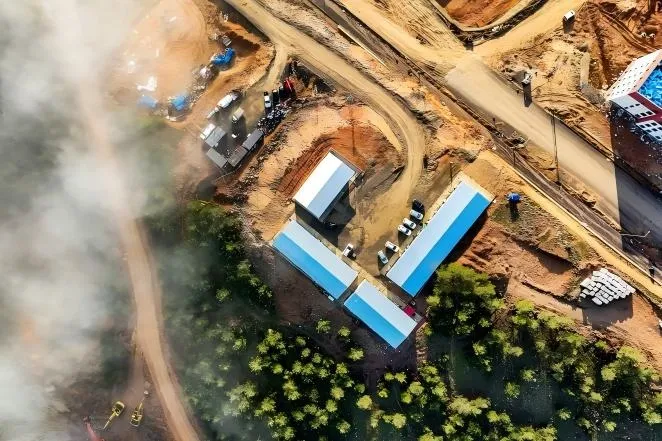
A rental fleet is bought more than once. The first purchase happens at the factory. The next purchase happens every time the unit is lifted, transported, installed, cleaned, repaired and sent to another customer. A low unit price can become expensive if those repeat operations are slow or damage the building.
This guide is for rental companies, modular space providers, distributors and contractors building a reusable accommodation fleet. It focuses on the asset decisions that affect utilisation, maintenance and residual value. Site development and short-stay hospitality operations require a different model and are not the main subject here.
What a rental fleet must do well
A project buyer may optimise a building for one site. A fleet operator needs a product that can serve several customers without becoming a custom engineering exercise each time. The commercial test is straightforward: can the same unit be quoted quickly, delivered through the available route, installed with a repeatable crew and returned to service after a predictable inspection?
- Fleet objective | What to specify | Evidence to request
- High utilisation | Standard layouts, short turnaround and broad application fit | Setup sequence, crew requirement and connection schedule
- Controlled maintenance | Accessible components and replaceable finishes | Parts list, maintenance manual and repair method
- Safe relocation | Designed lifting points, transport restraints and repeatable joints | Lifting plan, packed dimensions and inspection checklist
- Useful residual value | Durable structure, common specifications and complete records | Material records, serial numbers and service history format
- Fast quoting | Limited configuration options with clear upgrade packages | Standard specification, drawings and option matrix
Start with demand that repeats
Do not choose the building before defining the hire pattern. Record who rents the units, the typical contract length, seasonal peaks, acceptable monthly rate, expected idle time and the services customers normally request. Construction accommodation, temporary offices, site welfare and event support each produce different wear, cleaning and connection requirements.
One anchor contract can justify an opening order, but it should not dictate a specification that no other customer can use. Separate the features required by most customers from those that belong in removable option packs. This keeps the core fleet interchangeable while allowing project-specific upgrades.
Standardise before negotiating price
Standardisation reduces more than factory cost. It shortens quoting, simplifies spares, gives installation crews a familiar sequence and lets operators exchange units between branches. A practical fleet standard normally covers:
- external dimensions and lifting method;
- structural and insulation specification;
- door, window and service connection positions;
- electrical distribution and connector types;
- wet-area components and plumbing access;
- interchangeable interior panels, flooring and hardware;
- serial numbering, manuals and inspection records.
Keep the number of standard layouts small enough for inventory control. Office, sleeping, sanitary and service units may need separate families, but every variation should have a clear commercial reason. Cosmetic choices that cannot be replaced locally often add downtime without improving rental income.
Choose the system around fleet movement
Folding modular units can reduce transport volume and may suit fleets that move frequently. The saving must be weighed against deployment labour, hinge and seal inspection, and the handling process at each site.
Expandable container houses provide more usable floor area after installation and can suit accommodation kept on one project for a longer term. They need enough working space to open safely, along with a repeatable procedure for levelling, weather sealing and final connections.
A custom modular building may be appropriate for a large framework agreement or a specialised market. It is less attractive when every order changes the structure, parts and installation method. Review the trade-offs in the foldable versus expandable comparison before fixing the fleet standard.
Design maintenance into the specification
Rental units are cleaned and repaired between contracts, often under time pressure. Components that are hidden, proprietary or difficult to reach increase turnaround time. Ask the supplier to show access to water connections, electrical distribution, HVAC filters, roof drainage, floor edges and the seals used at movable joints.
Specify wear items that can be replaced without dismantling the room. Door hardware, sanitary fittings, light fittings, switches, floor finishes and interior panels should be available as identifiable parts. The supplier should provide part numbers or clear descriptions, expected lead times and acceptable local substitutes where safety and compliance allow.
Finish selection should reflect the cleaning method and tenant use. A finish that looks impressive in a sample room may be unsuitable for work boots, frequent furniture moves or aggressive cleaning chemicals. Ask how damaged areas are repaired and whether replacement batches will match the original surface.
Plan every move as a controlled process
Relocation creates a different load case from normal occupation. Lifting points, temporary bracing, movable panels, service caps and transport restraints need to be part of the design. The operating team also needs a documented sequence for shutdown, disconnection, inspection, packing, lifting and recommissioning.
Before buying, run a route and handling review using the packed dimensions and weight. Include port or depot handling if units will cross borders. For the receiving site, check truck access, bearing capacity, turning space, crane position, overhead hazards and temporary storage. Our modular building installation guide provides a useful framework for the site-readiness conversation.
Calculate fleet economics by available days
Purchase price is only the opening line of a fleet model. Calculate revenue against the days the unit is actually available and on hire.
Available days = calendar days − planned maintenance days − repair days − relocation and installation days
Utilisation = billed rental days ÷ available days
Contribution before overhead = rental income − transport − installation − maintenance − project-specific operating costs
Model at least a low, expected and high utilisation case. Keep the rental rate constant in the first pass so the effect of idle time is visible. Then test a longer turnaround, a major repair, a freight increase and an early contract termination. This is more useful than a simple payback calculation based on full occupancy.
Land, site utilities and permits belong in the model only when the operator provides them. A dry-hire fleet, a serviced camp and an operator-owned accommodation site have different capital and operating boundaries. State the boundary beside every forecast.
Protect residual value from day one
Residual value is not a percentage that can be assumed at purchase. It depends on condition, market fit, documentation and the cost of moving the unit to its next use. A highly customised unit may be valuable to its first customer but difficult to redeploy. A standard unit with a recorded maintenance history is easier for another branch, buyer or lender to assess.
Use a unique asset number and keep the original drawing set, material records, inspection results, photographs and repair history together. Record every lift and installation. At return, inspect the structure, lifting points, roof, seals, floor, doors, windows and service connections before the unit enters available stock.
If end-of-life recovery matters, ask which components can be removed, refurbished or recycled. Do not count on resale revenue until the likely buyer, transport cost and required repairs are understood.
Check approvals without assuming one certificate fits every site
Fleet standardisation does not mean one approval works everywhere. Land use, temporary building rules, fire access, structural loads, energy performance, accessibility, sanitation and occupancy requirements vary by jurisdiction and application.
Define a base technical package, then maintain a destination checklist for each market. The supplier should identify which drawings, calculations, material reports and factory records are available. A local professional or authority must confirm what is accepted for the project. Build this review into quoting so a unit is not promised before the approval path is understood.
Factory and supplier checks for fleet orders
A prototype is useful when the first order will become a repeated fleet standard. Review it with operations and maintenance staff, not only the purchasing team. They will notice access problems, fragile finishes and slow connection details that are easy to miss in a commercial quotation.
Before approving production, confirm:
- the controlled specification and revision of every standard layout;
- inspection points for structure, envelope, services and final function;
- serial-number and documentation requirements;
- packing method, lifting instructions and transport protection;
- spare-parts quantities and replenishment lead times;
- defect reporting, warranty boundaries and response process;
- rules for substituting materials or components during repeat orders.
For multi-batch purchasing, add a change-control clause. The factory should not replace a component that affects maintenance, fit or approval without written acceptance, even when the replacement appears equivalent.
A rental-fleet RFQ checklist
Give suppliers enough information to price the same operating requirement:
- countries and regions where the units will be used;
- typical customer, occupancy and contract duration;
- target layouts and the features that must remain standard;
- expected moves per year and available handling equipment;
- transport limits, delivery point and preferred Incoterm;
- local design criteria and documents required for approval;
- finish, furniture, HVAC and service-connection scope;
- spares, manuals, training and warranty expectations;
- first order quantity and likely call-off volumes;
- required prototype and production dates.
Ask for the quotation in separate lines for units, options, spares, export packing and delivery. This makes repeat orders easier to manage and exposes differences between supplier scopes.
Questions rental companies often ask
Should every fleet unit use the same layout?
No. The objective is a controlled family, not one room for every purpose. Keep structure, connections, parts and documentation common where possible, then limit layouts to proven customer needs.
Which unit type is best for frequent relocation?
There is no universal answer. Packed volume, lifting method, setup labour, route limits and repair after each move must be compared together. A transport-efficient unit can still be a poor fleet asset if turnaround is slow.
How should a buyer estimate residual value?
Start with likely second users, expected condition, remaining compliance, transport cost and refurbishment work. Treat any resale estimate as a scenario until there is market evidence.
Prepare a fleet configuration review
Send KunsLink the target market, intended applications, expected unit count, transport limits and planned number of relocations. The team can compare suitable systems, identify items that should be standardised and prepare the questions needed for a practical fleet quotation.